1. Concepts of Coupling Torque and Motor Torque
Motor torque refers to the rotational force generated by the motor. It represents the motor's output capability and is a key performance parameter. Motor torque output depends on electrical parameters such as voltage, current, and power, as well as mechanical factors including motor frame size (larger frames generally produce higher torque) and transmission components such as gearboxes and couplings.
Coupling torque refers to the torque transmitted through the coupling and is an indicator of the coupling's transmission capacity. Couplings connect the drive side to the load side, transmitting the motor's rotational torque to the driven mechanism. The transmission efficiency of a coupling is typically greater than 98%.
2. Relationship Between the Coupling's Rated Torque, Maximum Torque, and Motor Output Torque
When selecting a coupling, check the rated torque listed in the product specifications. This value indicates the maximum continuous torque the coupling can safely transmit. The required motor torque must be calculated based on specific operating conditions, taking into account load characteristics and motor speed. Refer to the motor's torque–speed curve for guidance.
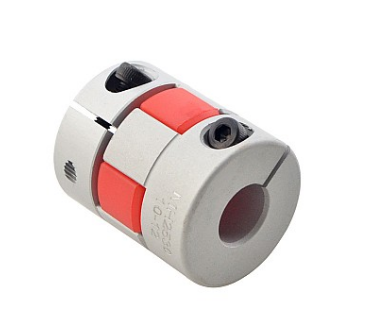
Couplings also have a maximum torque specification. This parameter is similar to the instantaneous allowable torque of a gearbox—it is a short-term limit value, typically twice the rated torque, indicating the peak load the coupling can withstand briefly. The maximum torque is a transient limit and should not be used as a continuous operating value. Therefore, do not exceed the rated torque during normal operation.
3. Load Characteristics to Consider When Selecting a Coupling
In practical applications, the rated torque of the coupling should exceed the motor's output torque. This ensures that the coupling can reliably transmit the motor's power and torque, preventing excessive load from disrupting normal operation or damaging the coupling. Additionally, because stepper motor torque decreases as rotational speed increases, the required coupling torque rating should be confirmed based on the motor's actual operating speed.