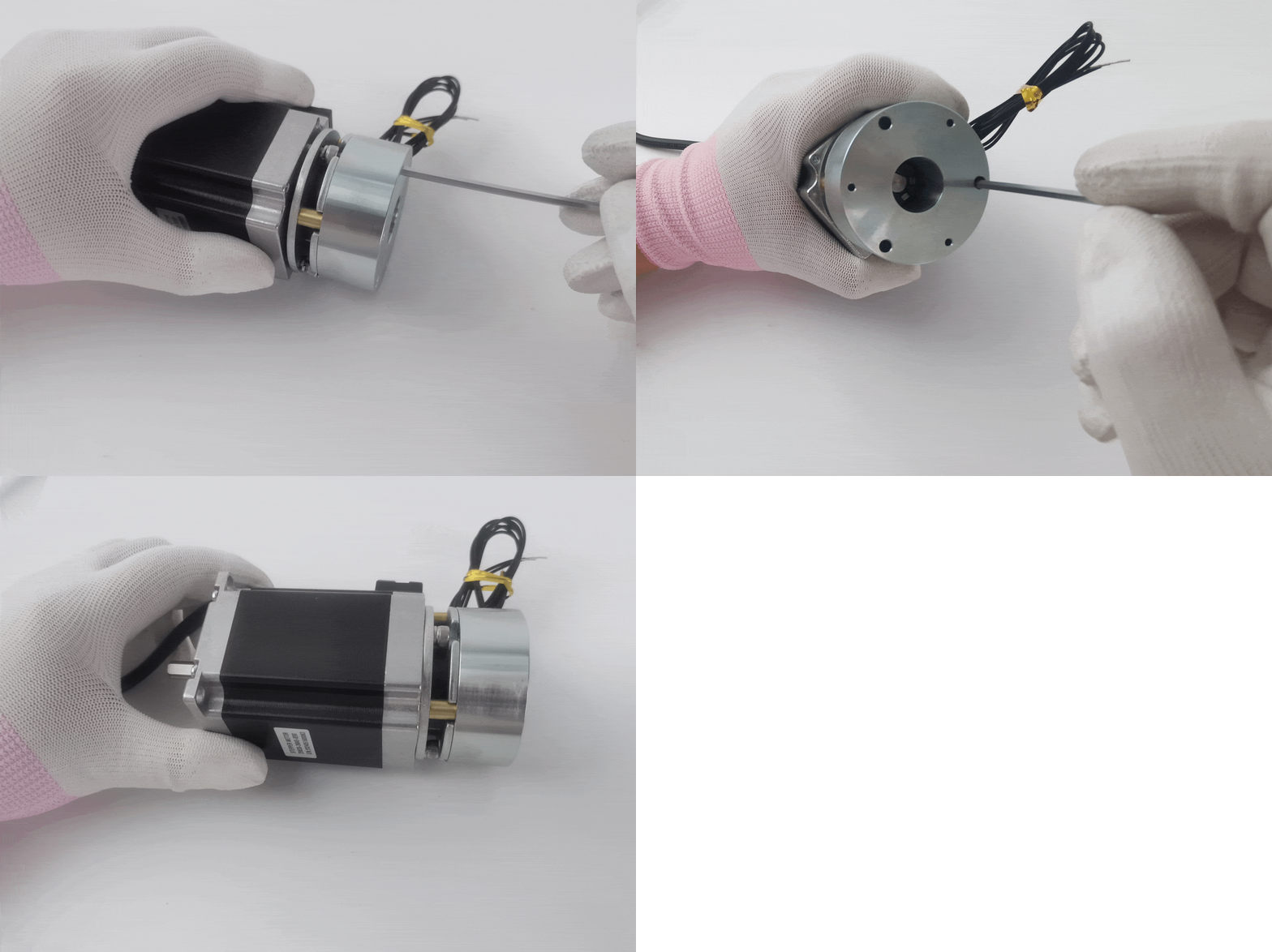
To enable emergency braking, position holding on power loss, and safety protection for stepper motors, a brake is typically installed on the motor. StepperOnline offers two types of brakes: permanent magnet holding brakes and spring-applied (electromagnetic power-off) brakes.
Permanent magnet holding brakes require factory installation and are therefore not sold separately. This article covers the installation procedure for spring-applied (power-off) brakes.
- Specifications of Spring-Applied Brakes
| Model | Voltage (V) | Power (W) | Static Holding Torque (N·m) | Max Speed (RPM) | Insulation Class | Motor Size |
|---|---|---|---|---|---|---|
| SWB-003 | 24 | 1.4 | 0.06 | 6000 | F | NEMA 11 & 14 |
| SWB-004 | 24 | 6.1 | 0.32 | 6000 | F | NEMA 14 |
| SWB-01 | 24 | 5 | 0.25 | 5000 | F | NEMA 17 |
| SWB-02 | 24 | 11.5 | 2.0 | 5000 | F | NEMA 23 & 24 |
| SWB-03 | 24 | 13 | 4.0 | 5000 | F | NEMA 34 |
All brakes we offer are power-off (fail-safe) brakes. This means that when power is removed, the brake engages automatically, locking the motor shaft and holding the motor in its current position.
- Installation Requirements for Spring-Applied Brakes
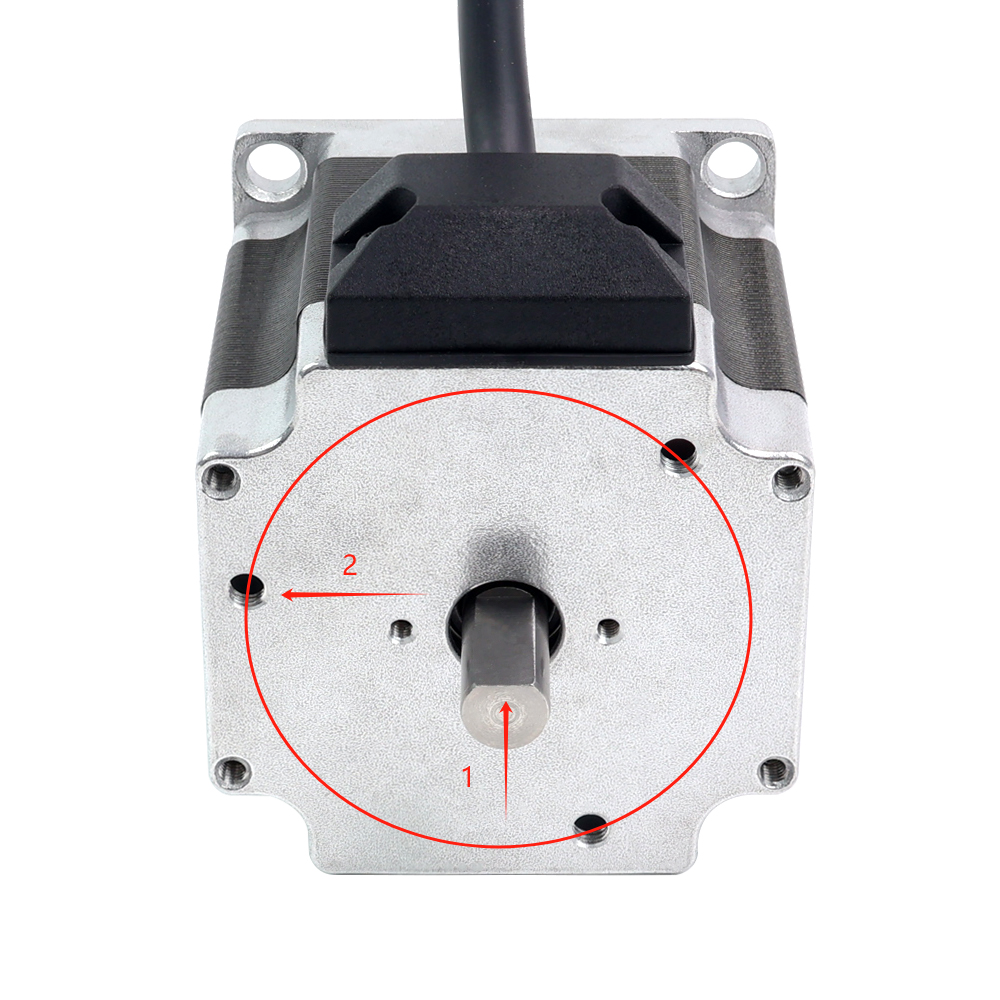
As shown in the image above, the following requirements must be met before installing the brake:
● The motor must have a rear shaft extension. The shaft diameter must match the brake's installation dimensions and include a D-cut flat.
● The motor rear end cover must have pre-drilled mounting holes for the brake.
- Installation Procedure for Spring-Applied Brakes
3.1. Prepare the installation tools
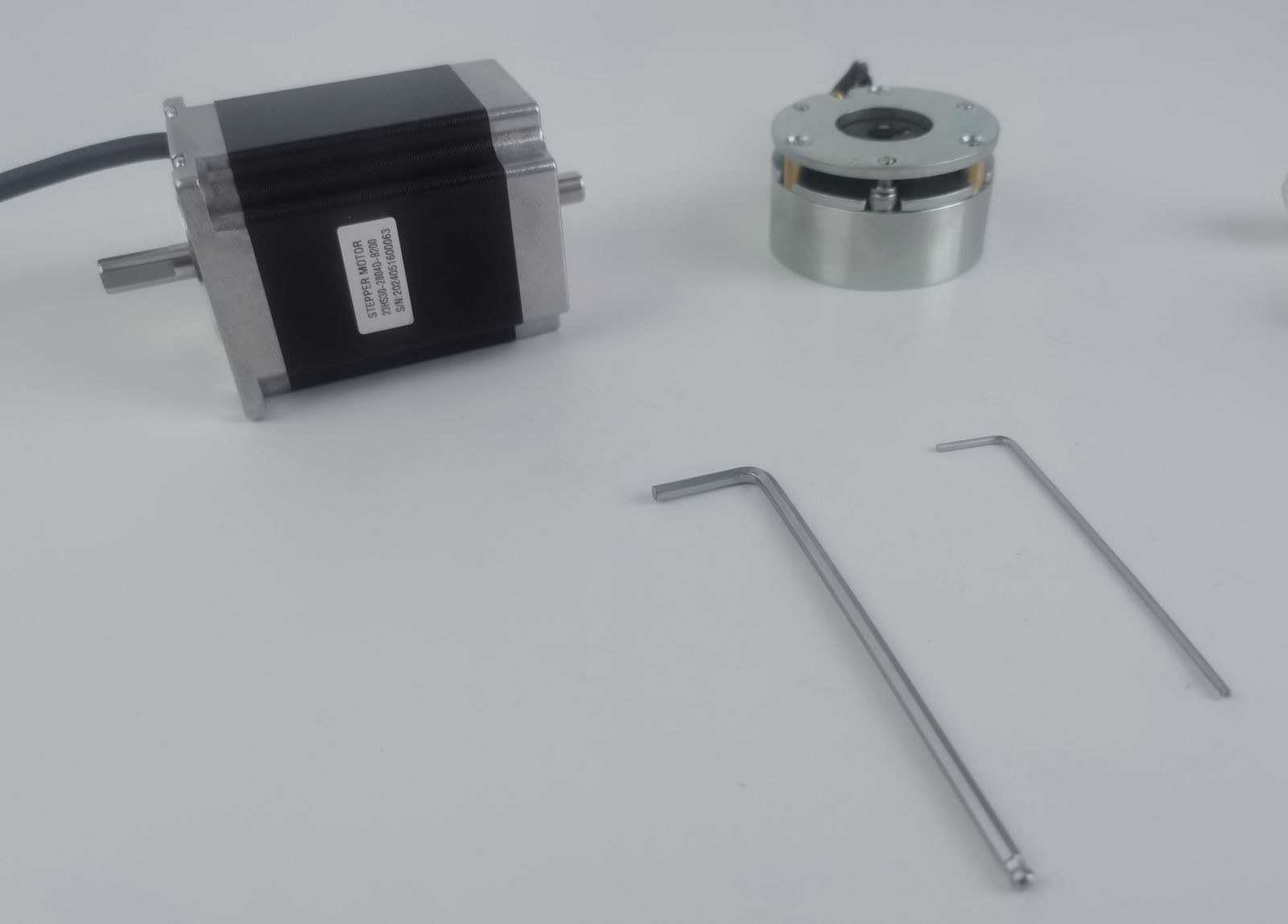
3.2. Remove the brake rotor (armature plate)
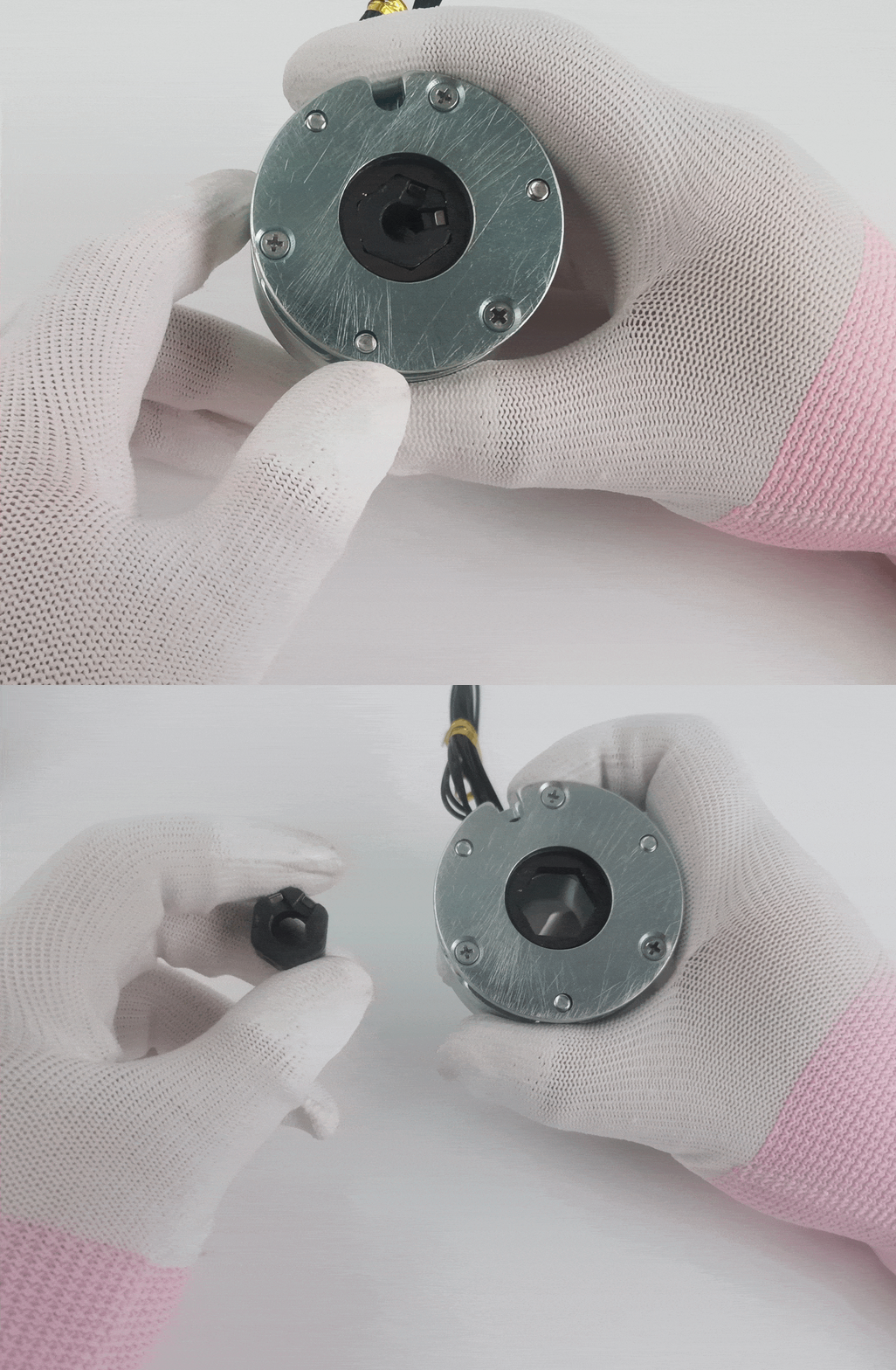
3.3. Install the brake rotor onto the motor rear shaft
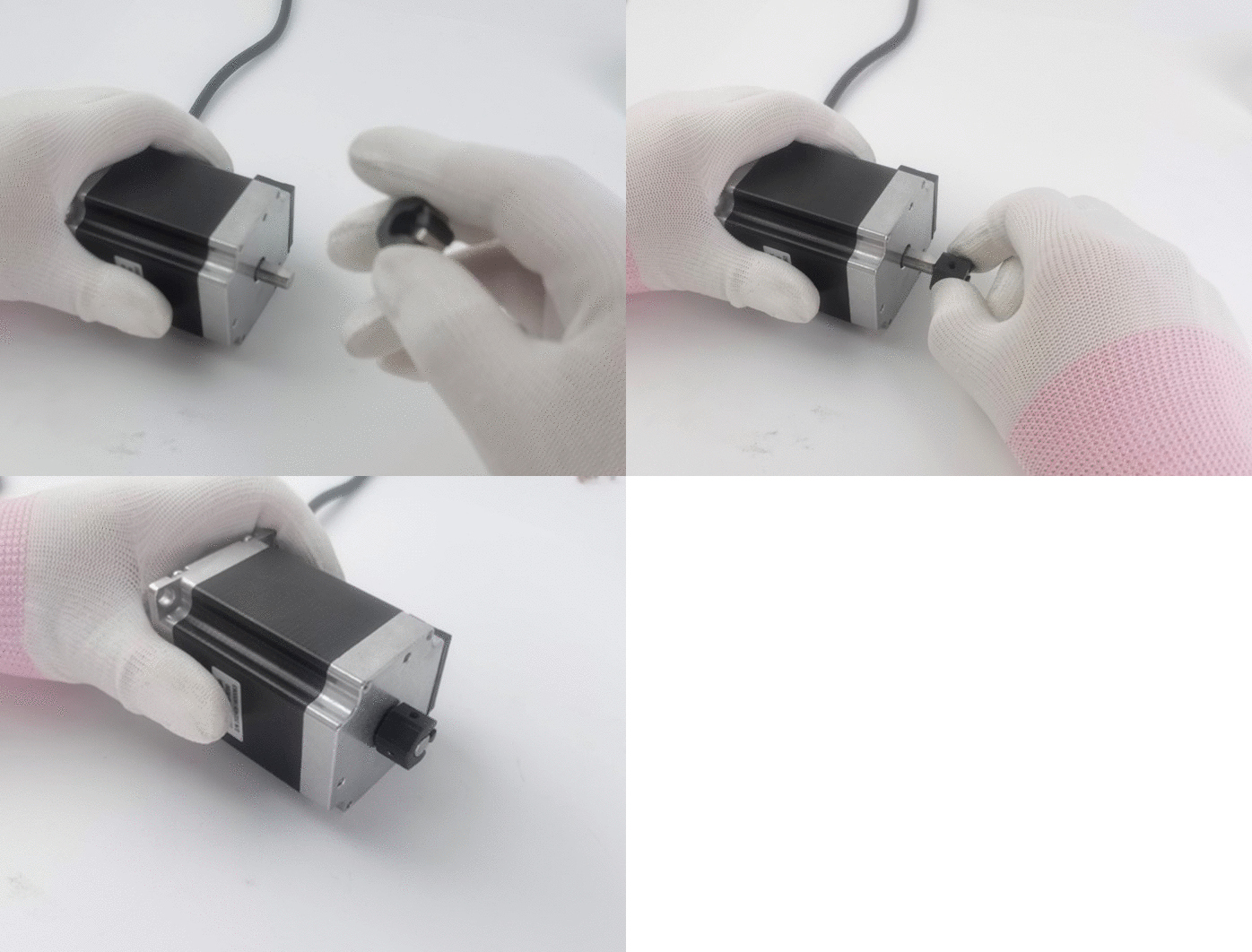
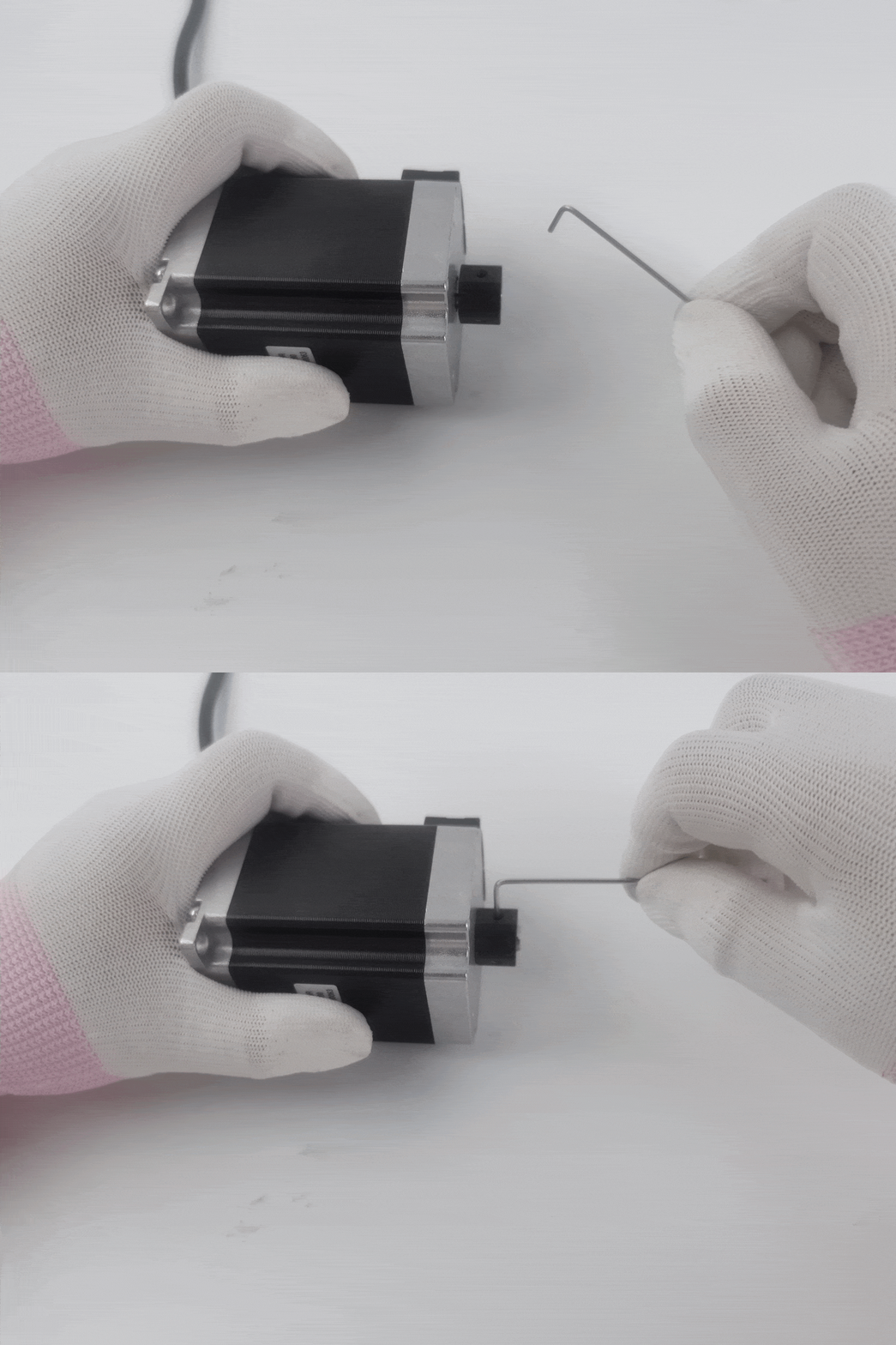
3.4. Secure the rotor in place using the appropriate tool
3.5. Align the center bore of the brake stator with the rotor, slide it into place, then rotate the motor shaft until the mounting screws align with the holes on the motor end cover
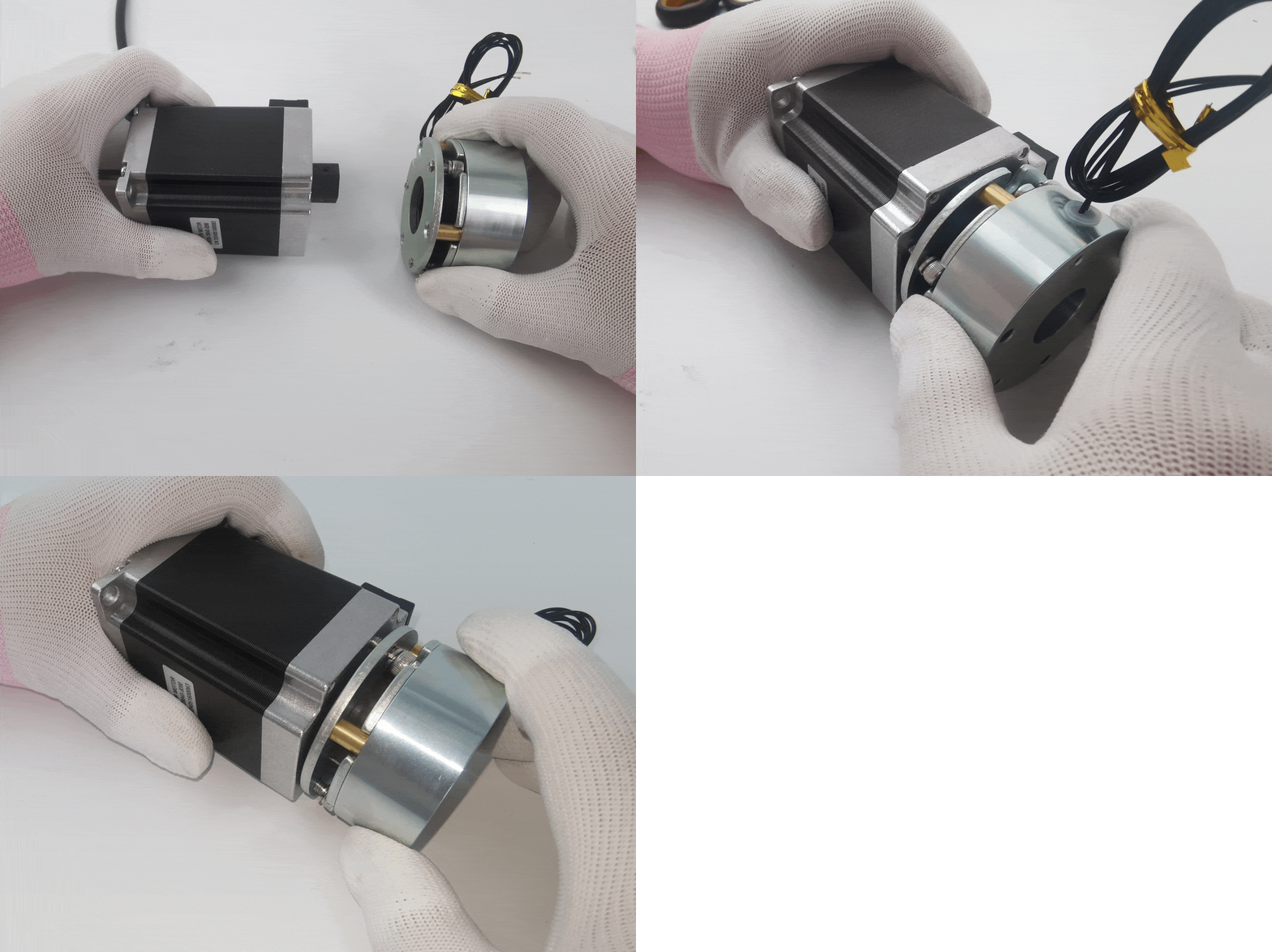
3.6. Tighten the mounting screws with the appropriate tool to complete the installation